

Why The Airbus A350 Is The Future
There’s A Frog On The Porch
November 2024
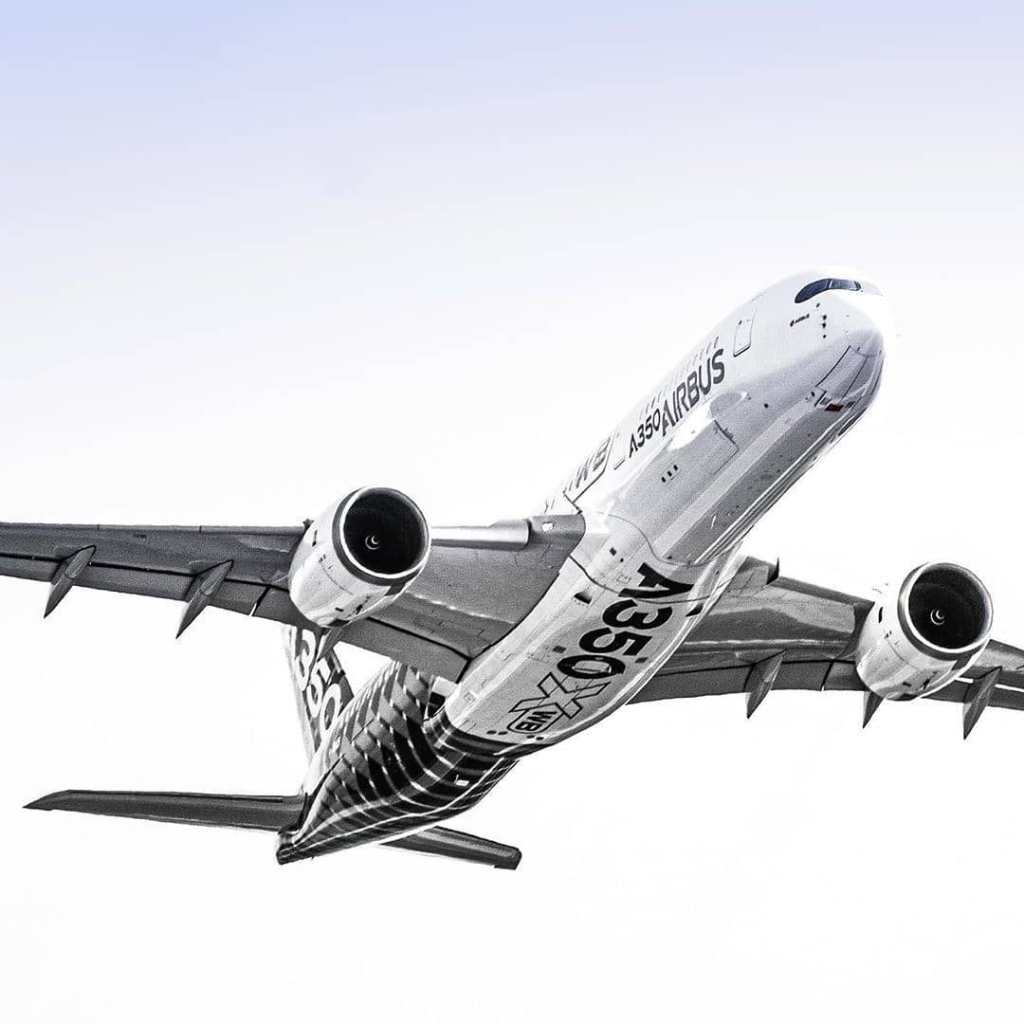
Aircraft have come along way over the decades but with the pressure on aviation to create aircraft to handle the increase of passenger numbers and the pressures to reduce Carbon Emissions, and the retirement of the Boeing 747 and Airbus 380, how are aircraft evolving?
As the saying goes ‘There’s a new kid on the block’.
The Airbus A350 is designed by the European sector and is already outselling its bigger brother the A380 Super Jumbo.
THE SCIENCE BEHIND THE A350
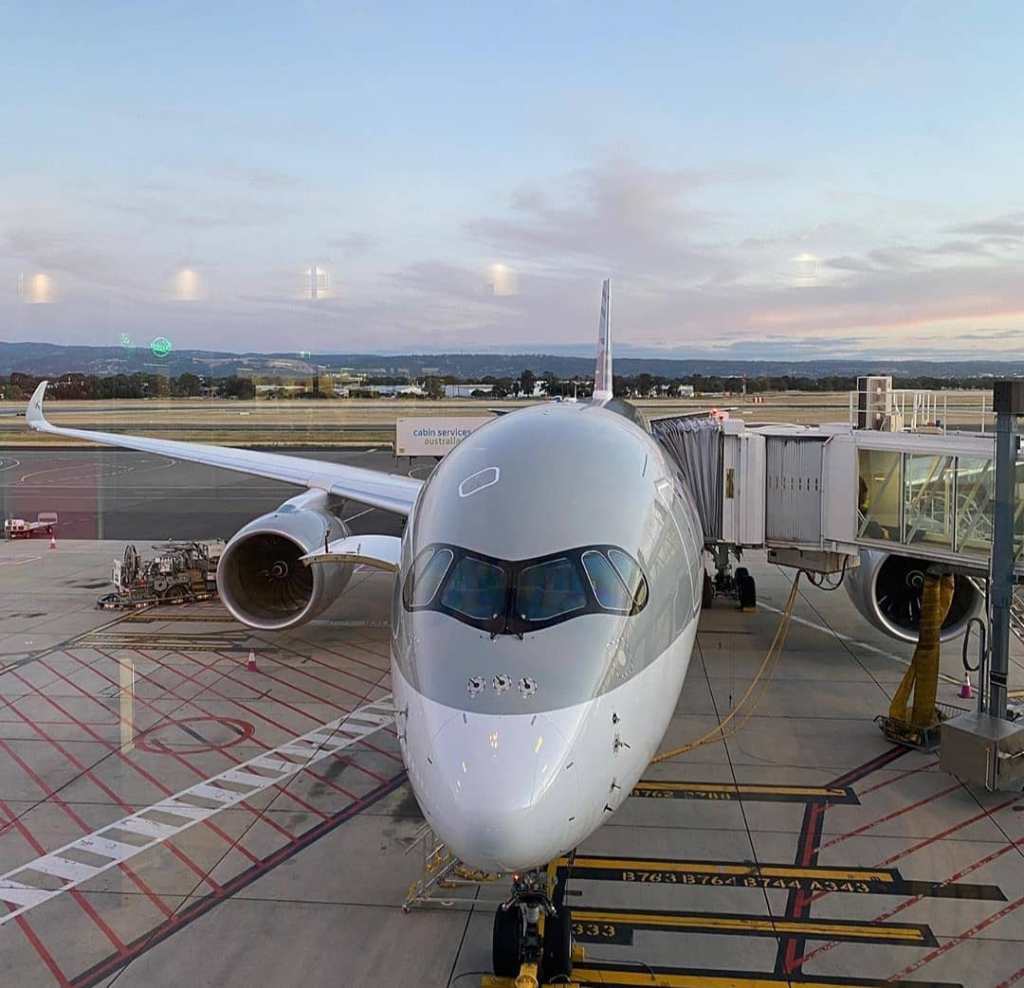
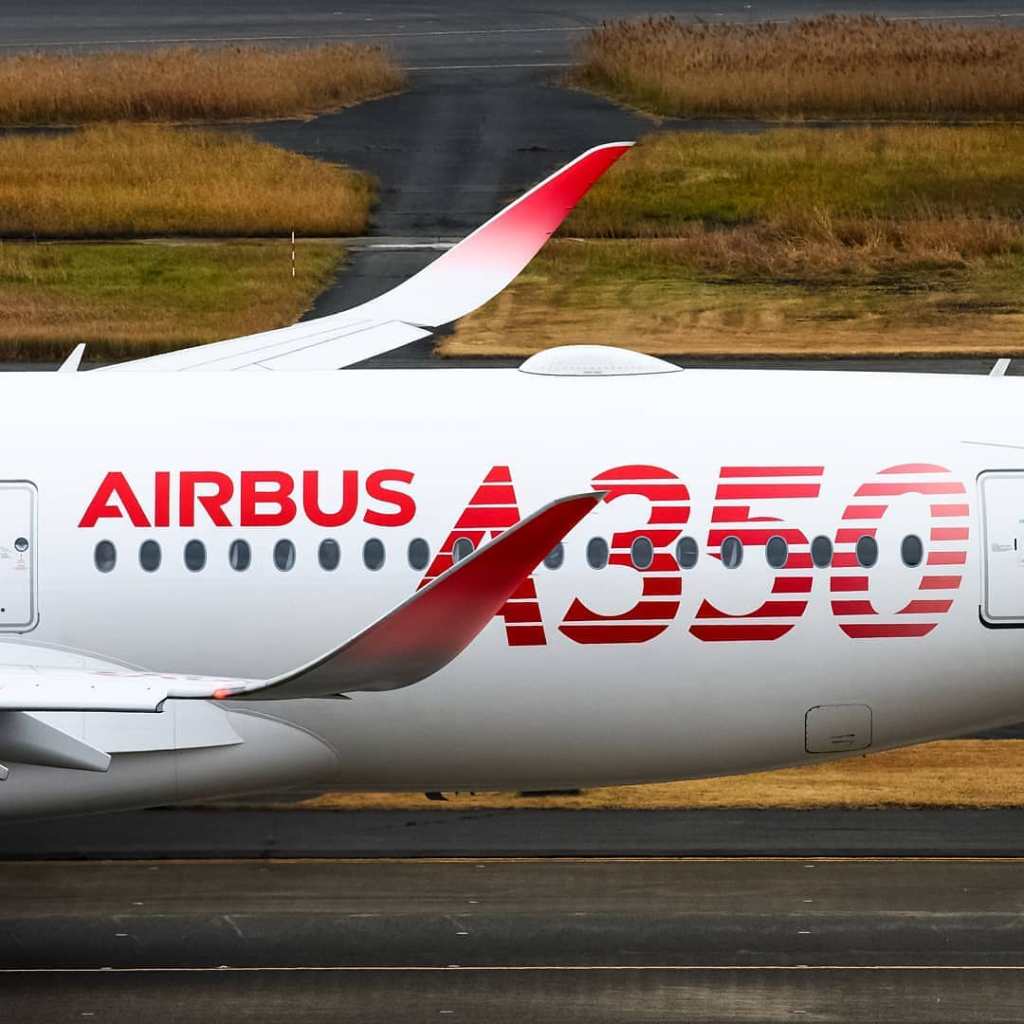
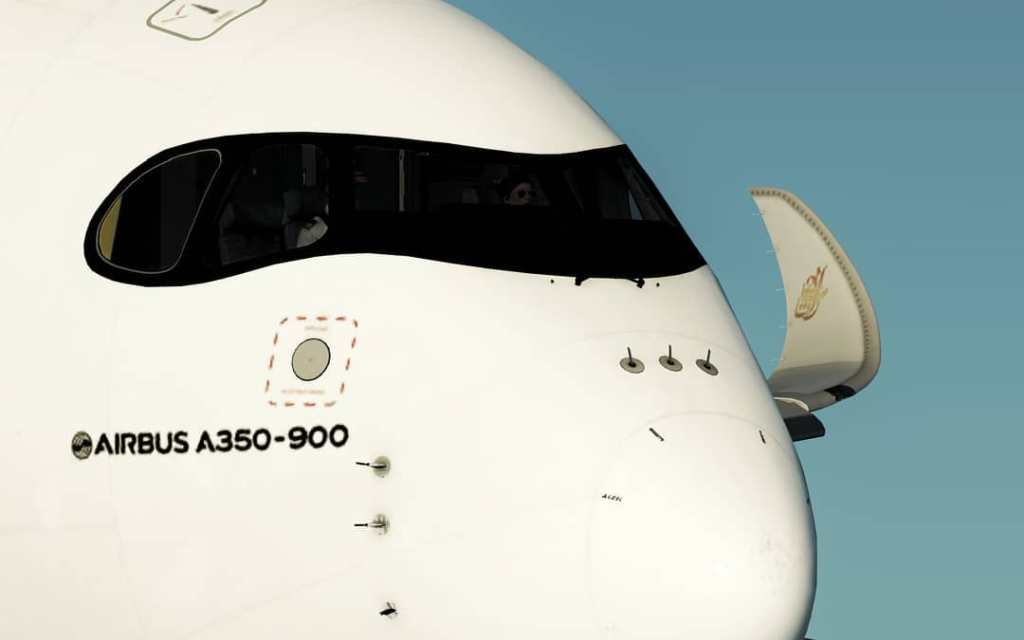
To begin, the aircraft is an aesthetically beautiful machine. It has a distinctive ‘dropped’ nose profile, wrap around flightdeck windows and beautifully shaped winglets (curved wing tips). 70% of the A350’s fuselage is made of advanced materials including 53% composites that are lighter and more robust than those used on previous aircraft designs. Airbus uses something called CFRP, which stands for ‘Carbon Fibre Reinforced Plastic’, made from carbon fibres bound with plastic resin. It’s lighter than aluminium, stronger than iron, and more corrosion resistant than both. This, along with its new sleek design, allows the A350 to lower fuel burn and reduce CO2 emissions.
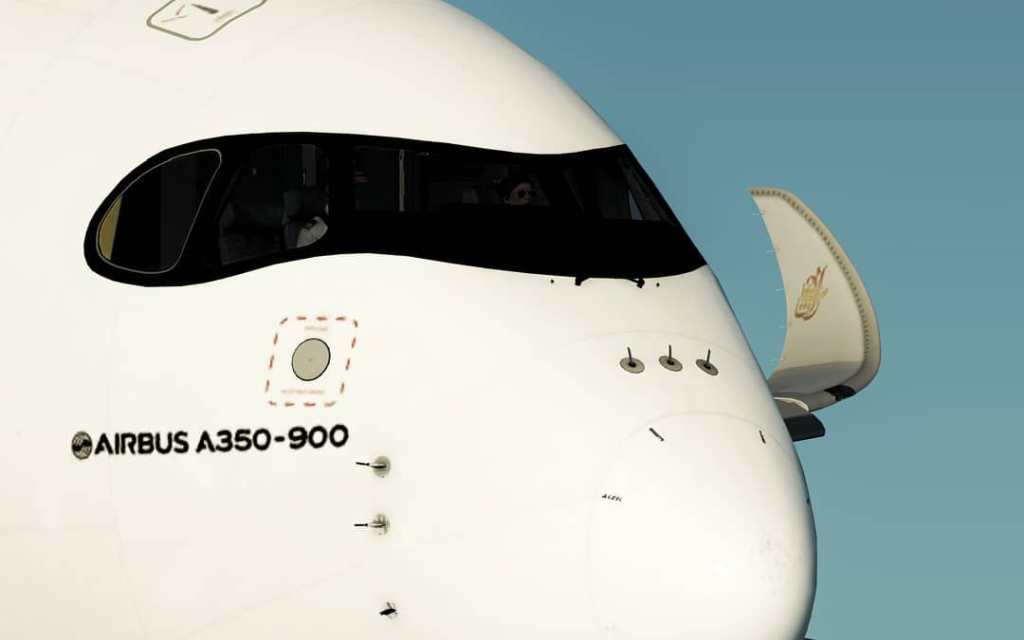
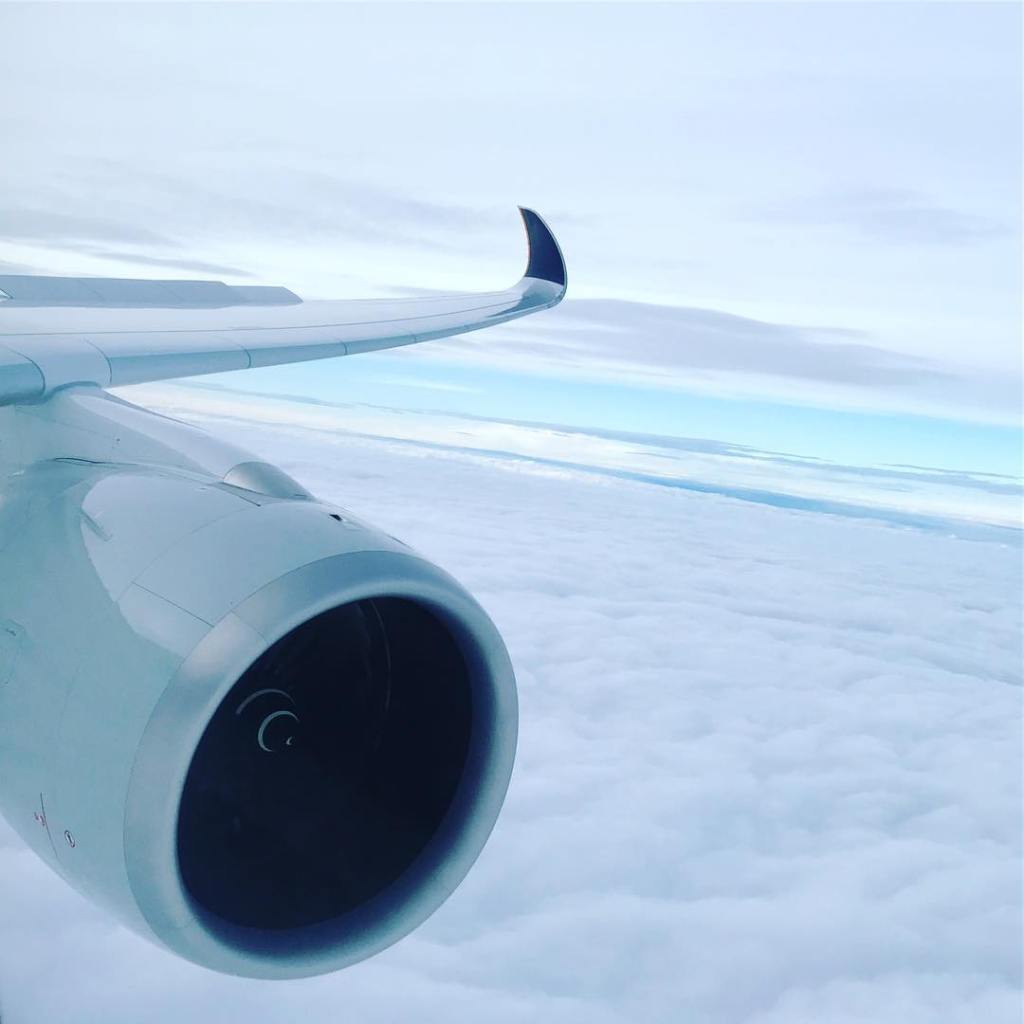
The Wings – What makes them so special is the way they have been designed to change shape to increase and maximise aerodynamic efficiency throughout various stages of flight to increase lift and minimise any drag from friction over the wings.
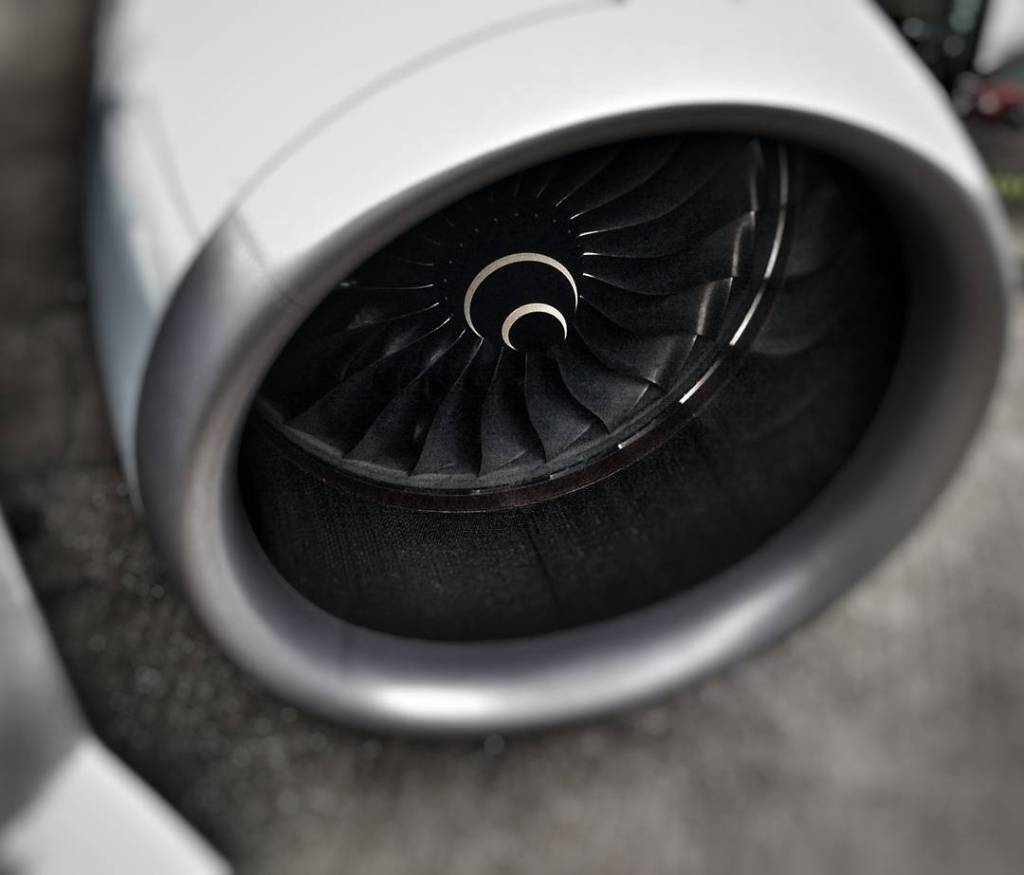
The Engines- The A350 are powered by two enormous Rolls Royce Trent XWB engines that have been redesigned to burn less fuel and expel less CO2. The engines are so large the fuselage of Concorde would fit inside one.
THE CABIN
The use of the advanced aircraft materials means Airbus’ latest addition to the fleet can boast a ‘lower cabin altitude’ than previous aircraft, such as the 747, whilst allowing for a more humid cabin. This means for passengers less dried out skin and congested sinuses and a much greater chance of feeling fresh when you land. I’ll discuss this later in the blog from my personal experience.
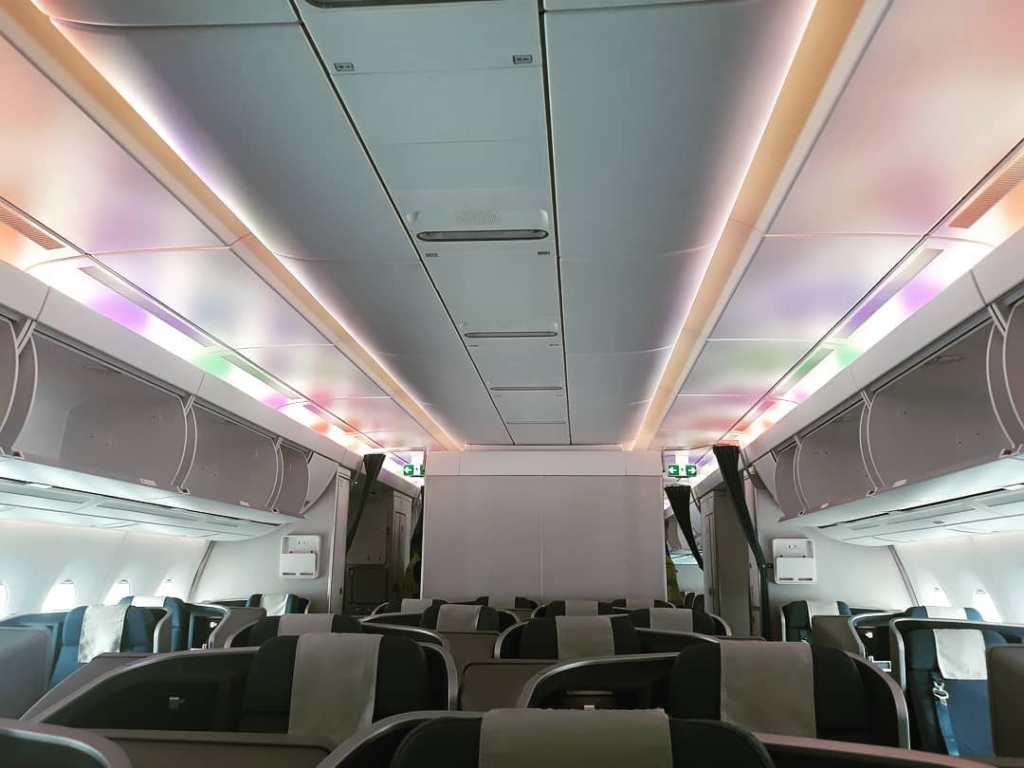
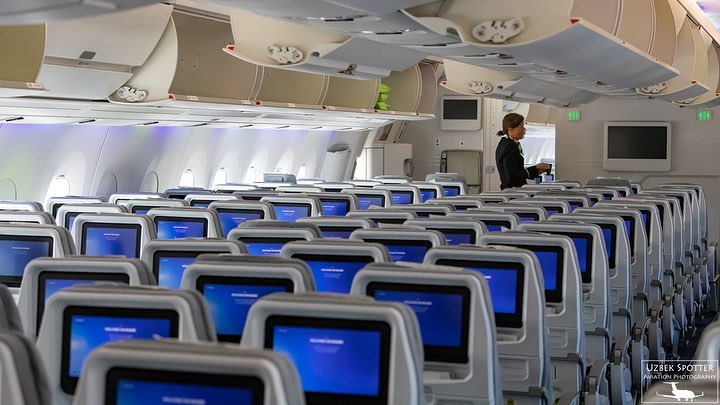
I’m now talking in Comparable terms, the A350’s cabin is also wider than most aircraft. On a Boeing 787 (The newest addition to their fleet), the cabin width is five inches narrower that makes a substantial difference to shoulder and elbow room when confined to a seat.
WHY THE AVIATION INDUSTRY IS BECOMING INTERESTED IN THE A350
Quite simply it’s the versatility and economy that makes the A350 so attractive to so many airlines. Singapore Airlines currently operate a special A350 ULR (Ultra Long Range) version between Singapore and New York that accrues over 9,500 miles and 18.5 hours in the air. Meanwhile, Qantas recently announced that a specially modified A350 ULR has the go ahead for non-stop flights between Sydney and London. These record breaking flights are scheduled to begin in 2022 and will accrue 10,500 miles in around 20 hours.
MY EXPERIENCE OF THE A350
I’m an aviation geek! There. Said it! I spent the vast majority of my younger adult life working in aviation and travelling the globe and I have flown on numerous airlines and aircraft types.
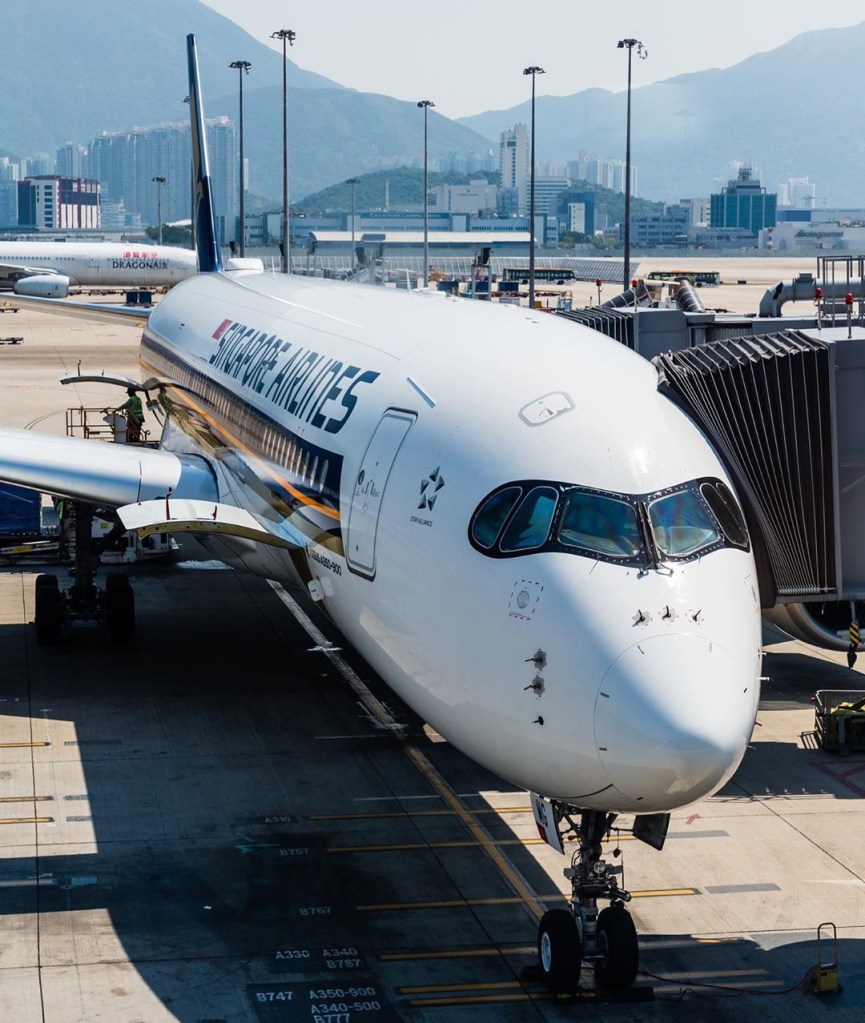
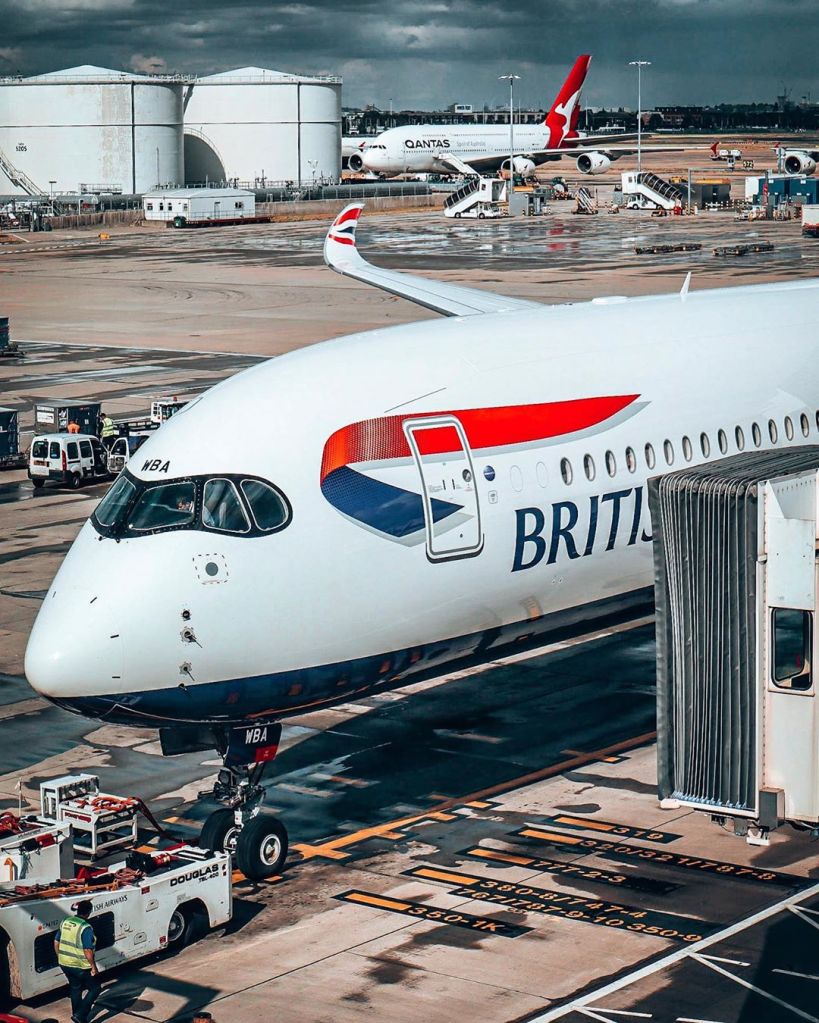
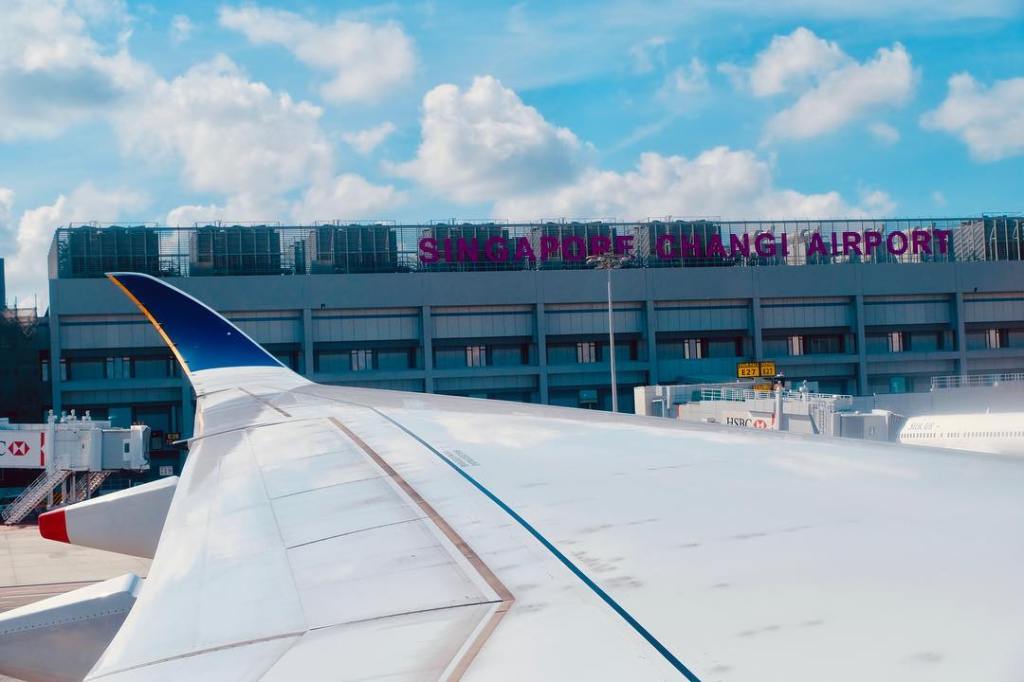
My first experience of the Airbus 350 came from a trip from The UK to Singapore, a flight of just over 12 hours, with Singapore Airlines. As most people do when we reach the gate area will peer out of the window at the aircraft to ‘assess’ the plane type and to subconsciously carry of a ‘visual maintenance check’ for ourselves! I noticed how beautiful the aircraft was. Its design. Its sleek new curves. Its clean paintwork. It was just an aesthetically pleasing piece of machinery of that I am certain Singapore Airlines are proud of.
Inside the cabin was airy and subtly lit with large windows. Sometimes on older aircraft there is a smell. You know, that kind of ‘Eau de Boeing’ kind of scent, but this aircraft had no unpleasant smell about it. The cabin was just lovely.
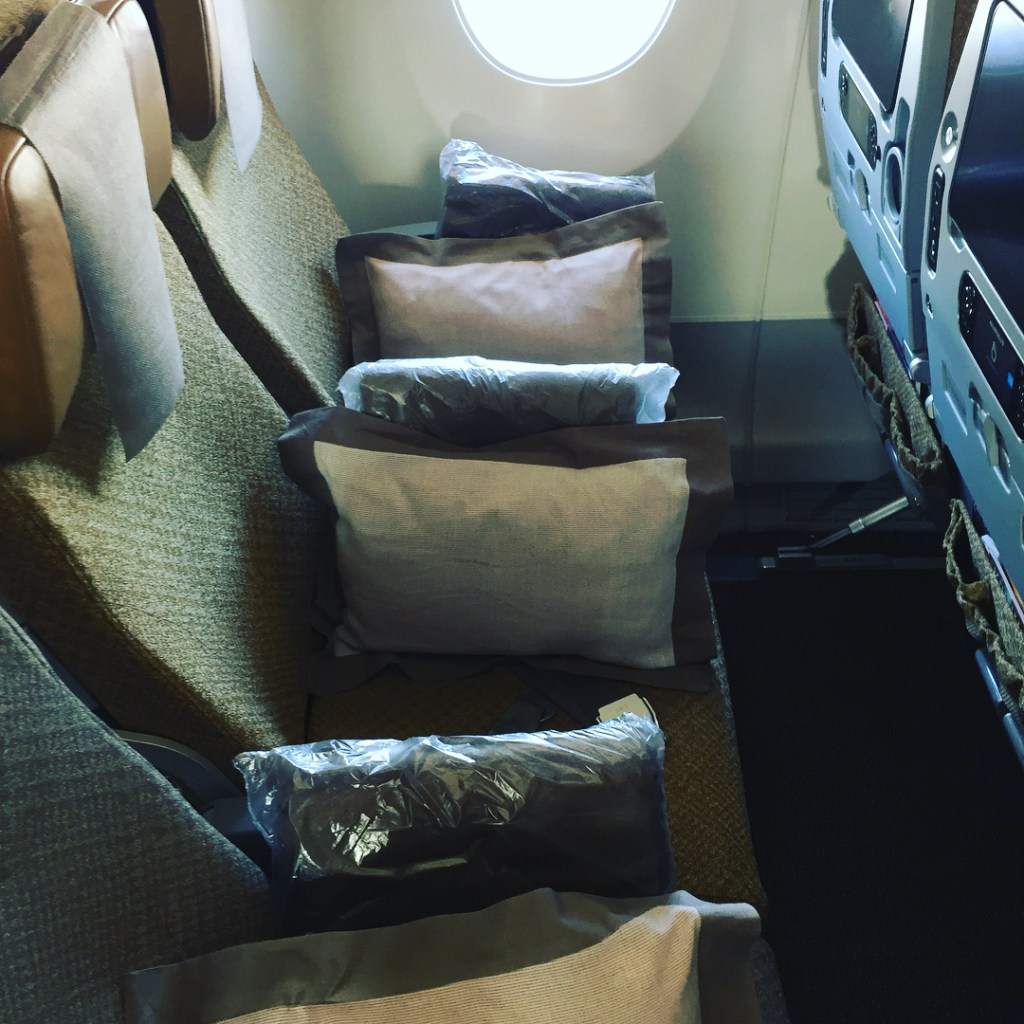
Next I noticed the seating. Not only are the seats tastefully upholstered but the seats are wider than in comparable aircraft, and this was in economy. As mentioned earlier in the blog the extra five inches really does make the difference in comfort. Another desirable comfort on long-haul flights is the pitch between a seat and the one in front. I could sit comfortably and my knees still had room, and the seats themselves were cosy!
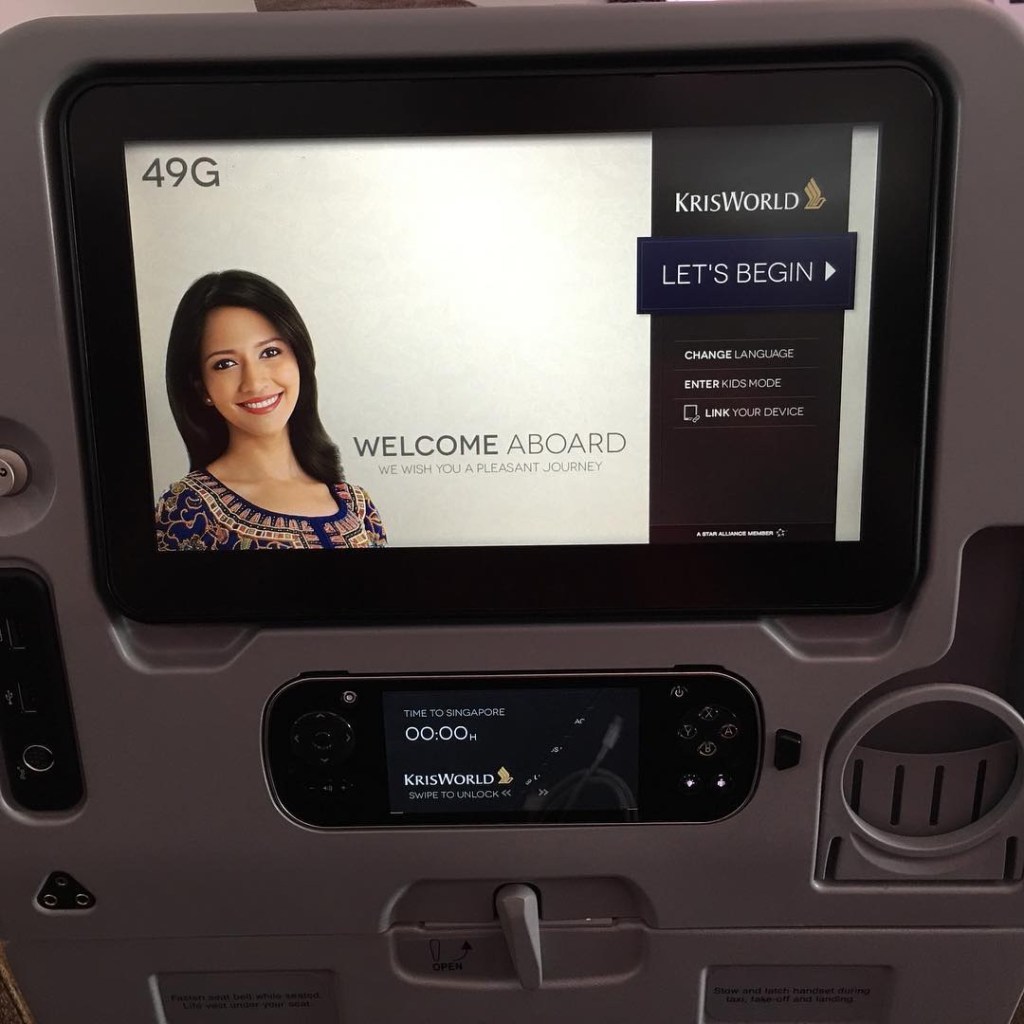
As for the IFE (In Flight Entertainment) there was a touch screen TV with an endless choice of Films, TV shows, Games and Trivia and in-flight WIFI.
On take off and landing the cabin was almost silent. I had to look out of the window to reassure myself all was ok. During the flight there was little engine noise. Flying through the night the cabin lighting changed to a low purple hue enough to allow you to see where you were walking in the aisle and softening enough to allow you to sleep.
Now when I fly I suffer terribly from indigestion and fatigue and no matter how much fluid I consume and how much sleep I catch I always land groggy, bloated, my skin is very dry, my sinuses blocked and I always have a sore lower back.
Fast forwarding to the end of this flight I had nothing! I mean nothing! I had no indigestion, I’m assuming because of the advanced cabin pressures and the mood lighting certainly encouraged me to fall asleep even in an economy seat. I had no feeling of dry skin or dry lips. My eyes were still hydrated rather than bloodshot and gritty, and the ‘piesta de resistance’, I had no numb bum or sore lower back or neck ache! I actually for the first time managed a long haul flight feeling more alert than any flight before. I felt refreshed and no where near as uncomfortable as other long haul trips.
I am definitely going to give the Airbus A350 the thumbs up. To me this aircraft has finally solved some in-flight issues to the human body along with addressing the emissions argument. This is definitely a friendlier aircraft of the future.
Some Photographs by airliners.net
 theresafrogontheporch.com