
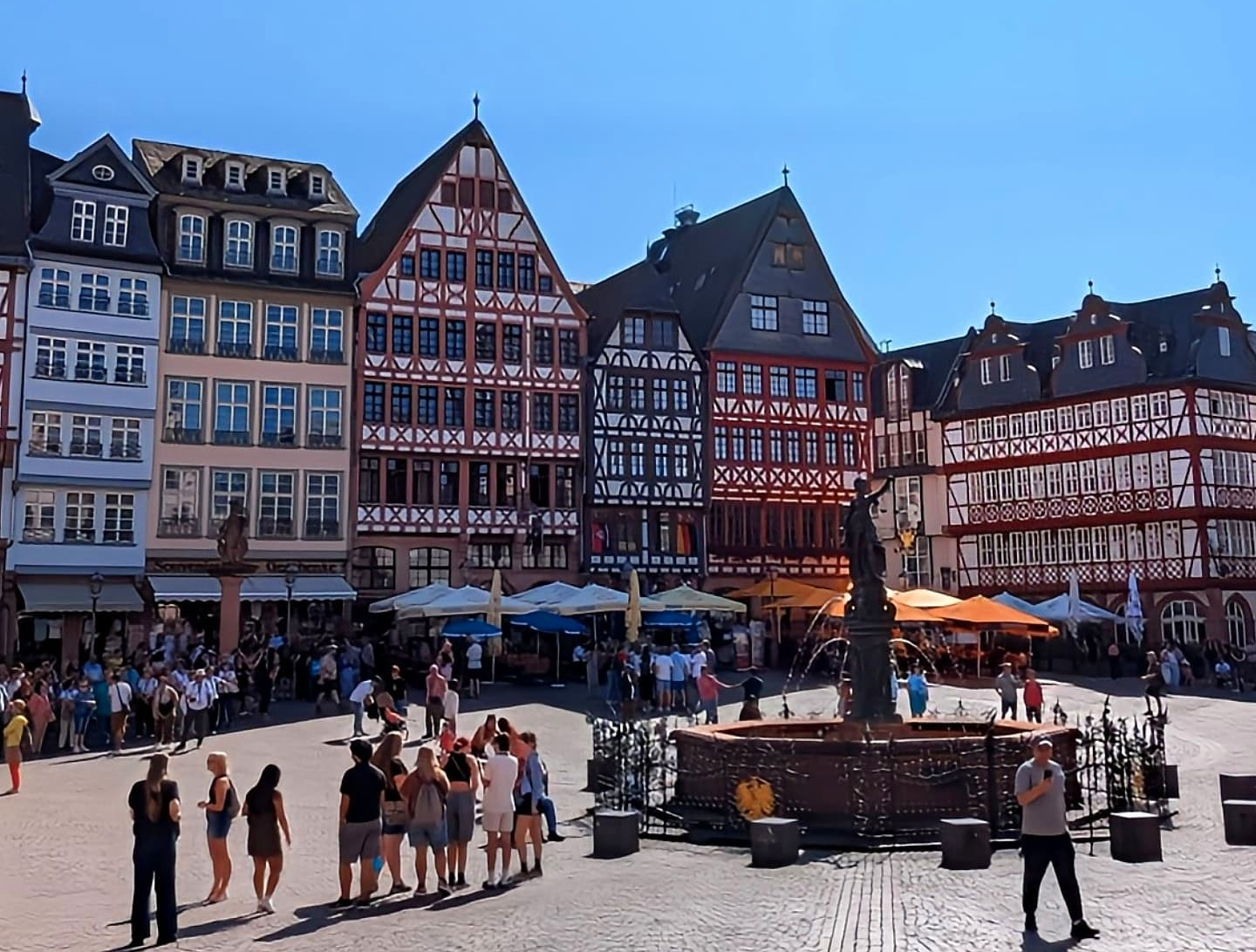
Dan-Air:
An Airline’s Legacy
There’s A Frog On The Porch
Travel | July 2026
I was rummaging through the old photo archives at my mother’s house and discovered holiday photographs from my first overseas trip as a small child to Spain in the late 80s.
This remarkable trip ignited my passion for foreign travel. As I flipped through the album pages, I found a photo of the very first airline I ever flew with – Dan-Air. Intrigued by the memories, I felt urged to uncover the fascinating history of this airline…
For a generation of British travellers the start of a summer holiday wasn’t marked by arriving at the destination, but by stepping onto a brightly painted aircraft at London Gatwick or Manchester.
From the 1960s through the early 1990s, Dan-Air London was the literal vehicle for the UK’s newfound love affair with the Mediterranean package holiday. Though it vanished from the skies decades ago, the airline holds a legendary status in aviation history as the courageous, versatile independent carrier that helped free foreign travel for the British public.
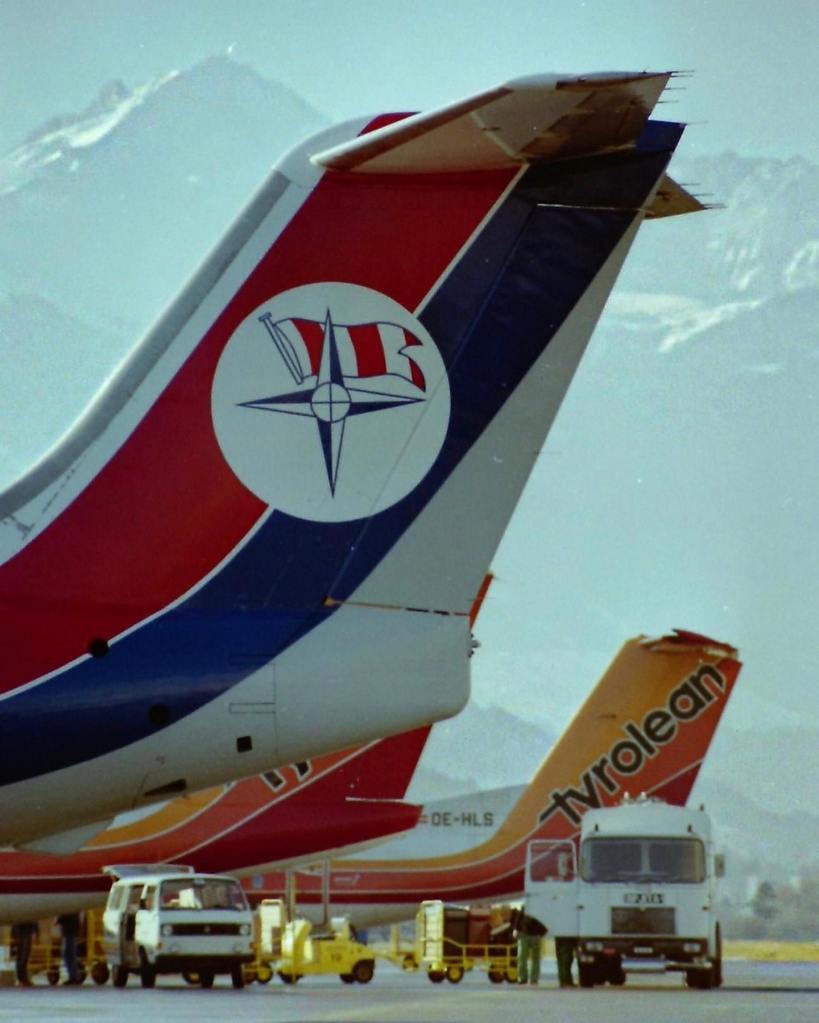
The airline’s origins were rooted in the maritime trade. Founded in 1953 by the shipbroking firm Davies and Newman, the airline drew its name from its parent company’s initials (Davies And Newman).
Starting with just a single Douglas DC-3 out of Southend, the infant airline initially focused on cargo and ad-hoc passenger charters. It was an understated beginning, but it established a foundational corporate trait: a relentless flexibility to fly anything, anywhere, at a moment’s notice.
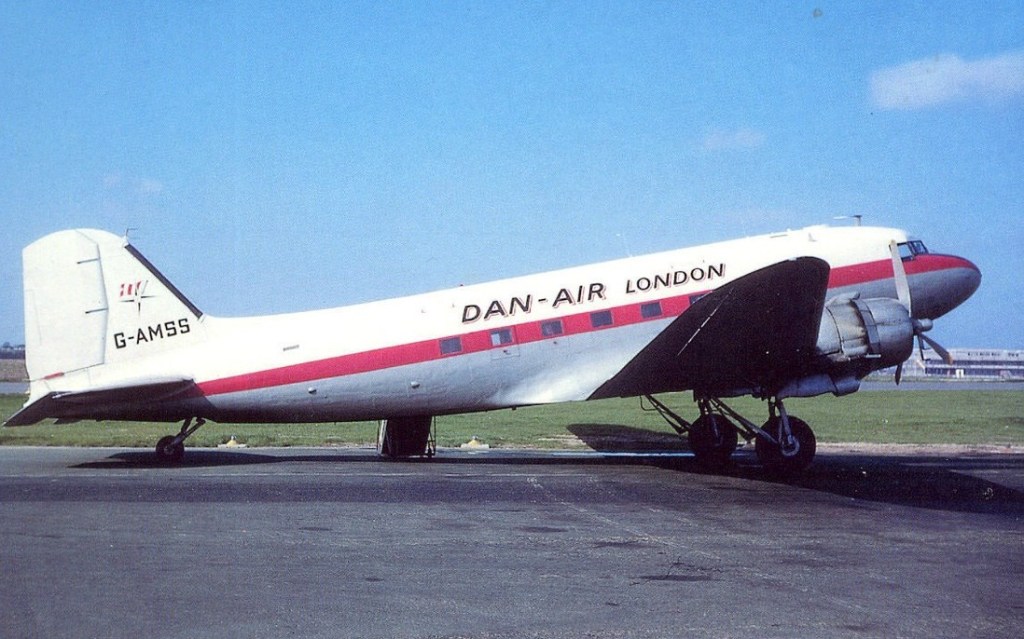
Douglas DC-3
The true turning point for Dan-Air came in 1960 when it relocated its main operating base to London Gatwick Airport. At the time Gatwick was evolving into the epicentre of the UK’s booming Inclusive Tour industry. As post-war debt faded, British working class families suddenly had the means to trade rainy domestic seaside resorts for the guaranteed sunshine of Spain, Portugal, and Greece. Dan Air seized the moment, partnering with early package holiday pioneers like Horizon Holidays to ferry thousands of eager sun-seekers abroad.
To keep up with the explosive demand of the jet age, Dan-Air made a bold move in 1966 by purchasing surplus De Havilland Comet 4 series aircraft from BOAC. This decision made them only the second independent British airline to offer sustained jet service.
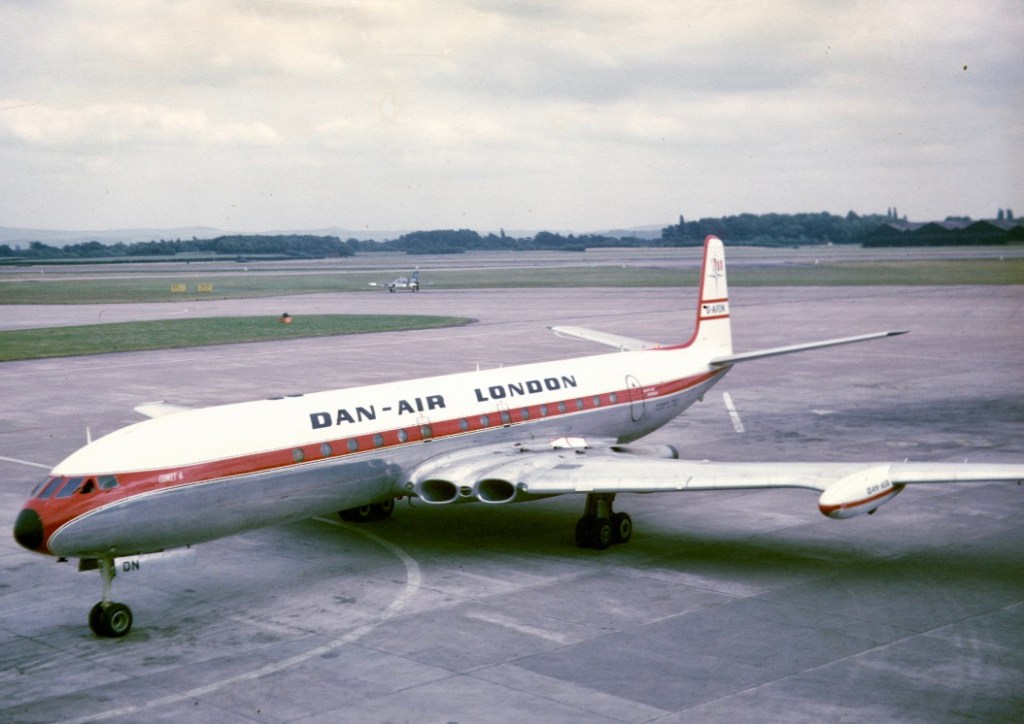
De Havilland Comet
Over the following years Dan-Air acquired so many of these elegant ground breaking planes that they became the largest operator of Comets in the world. For Travellers flying on a Dan-Air Comet— with its distinctively loud engines and classic, tight cabin layouts— became an unforgettable rite of passage.
While weekend holidaymakers filled their Mediterranean charters Dan-Air was quietly building a unique domestic presence. Recognising that they couldn’t compete with state owned giants on major heavy routes, they cleverly established the “Link City” network. This service connected commercial centres like Bristol, Cardiff, Liverpool and Newcastle, deliberately avoiding London and Manchester. It allowed business travellers to make same-day return trips across the UK, solidifying Dan-Air as an essential, modest, backbone of British domestic commerce.
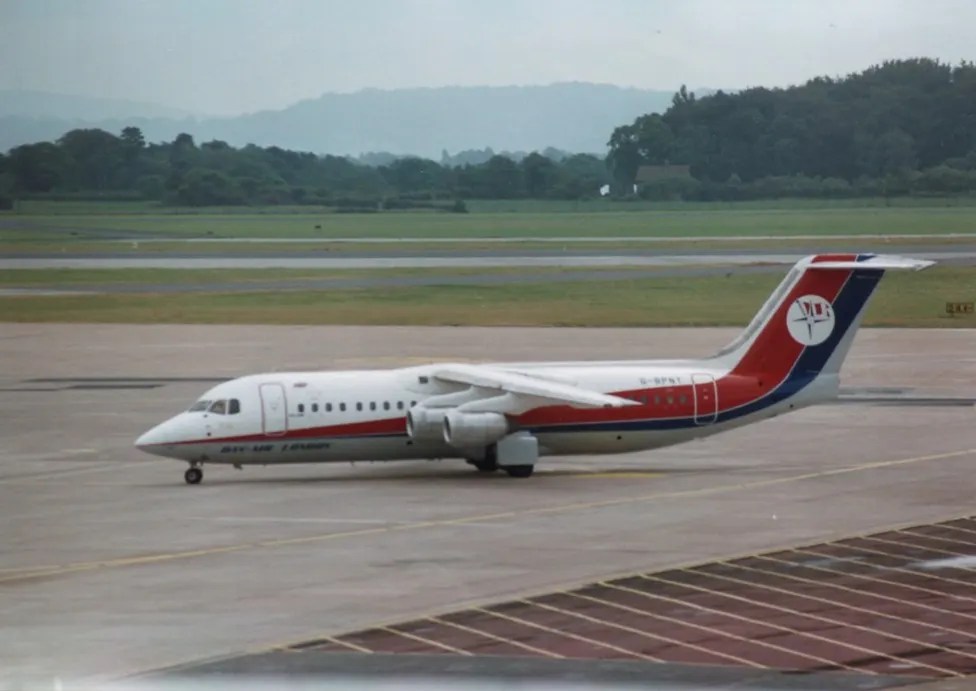
Dan-Air BAe146
What truly set Dan-Air apart from its rivals was its wildly eclectic mixed fleet. At any given time their hangars housed an aviation enthusiast’s dream: turboprop HS 748s, roaring BAC 1-11s, multi engine Boeing 727s, and eventually the quiet BAe 146 jets.
While keeping such a diverse fleet running was no doubts a logistical and financial nightmare for the engineering department, it gave the airline a massive commercial edge. If a tour operator needed a small 50 seat plane for a niche route or a massive airliner for a peak season shuttle to Mallorca, Dan-Air always had the resources.
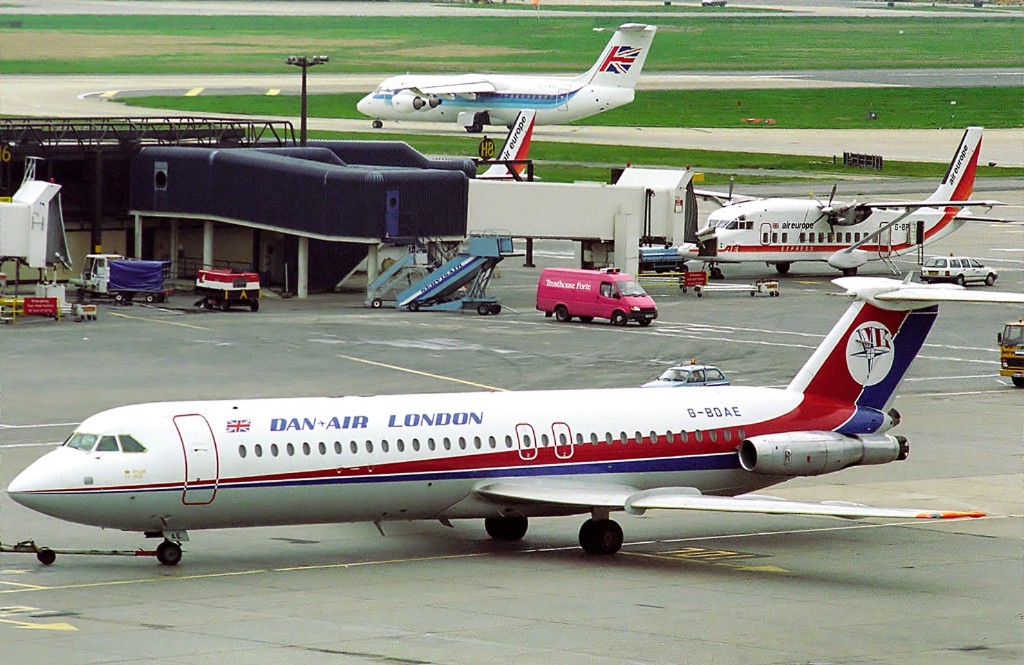
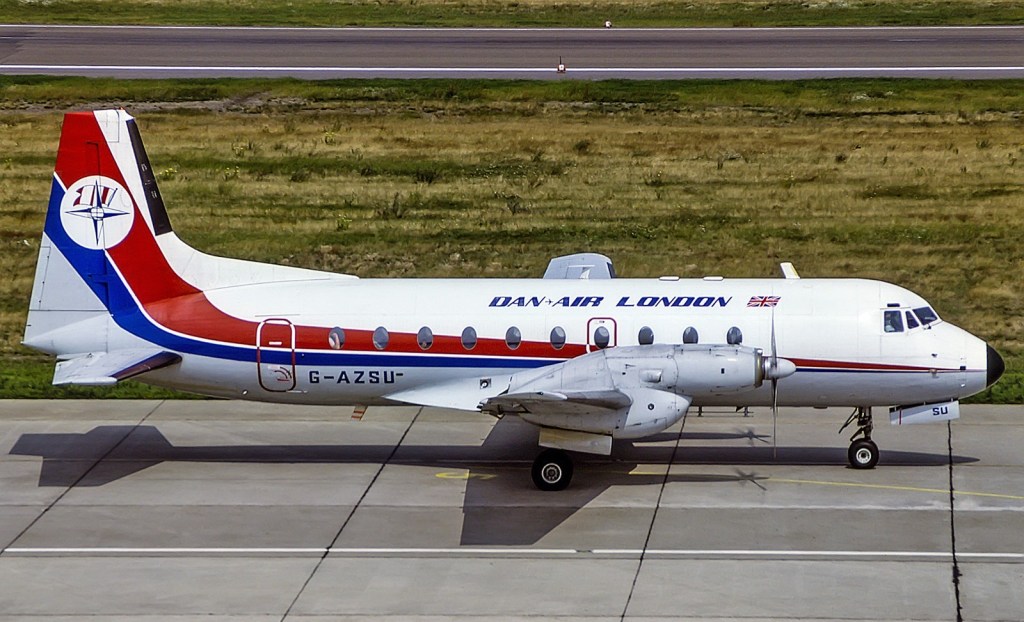
Dan-Air BAC 1-11 | Dan-Air HS748
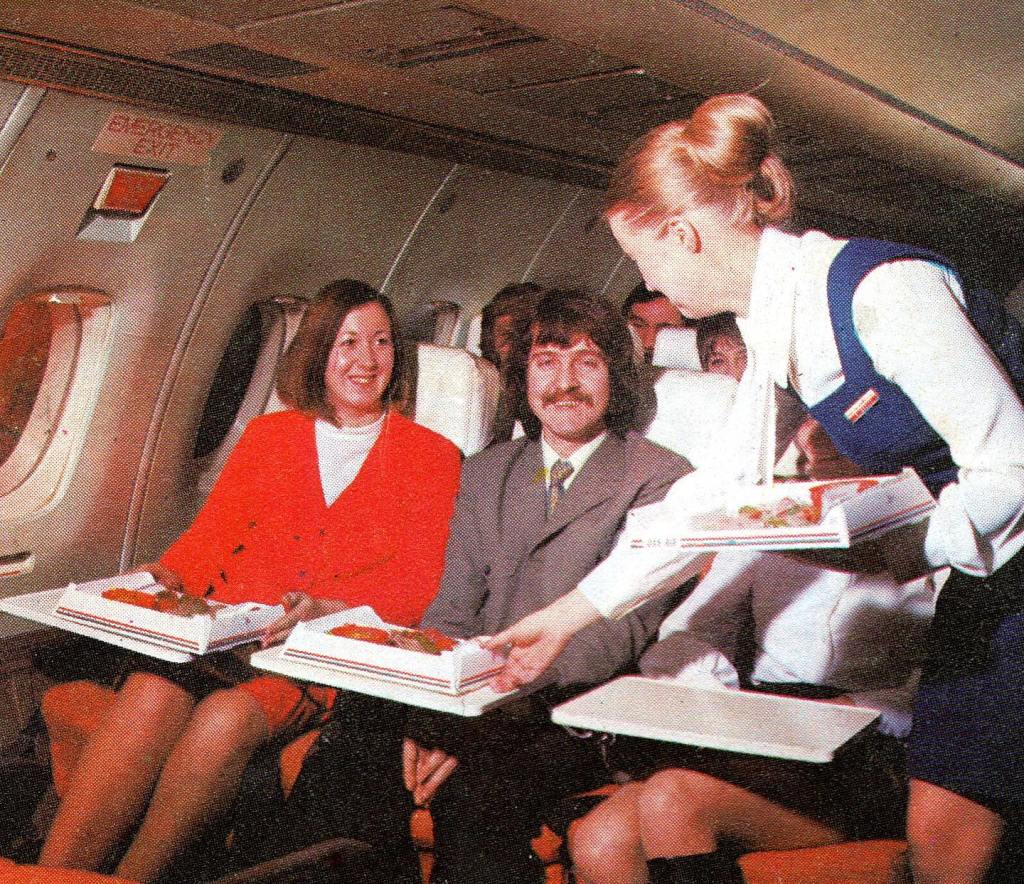
The onboard experience on a Dan-Air flight was a colourful reflection of the era. Cabins were famously packed to maximum capacity to keep ticket prices low resulting in legroom that would shock modern travellers. Yet, the atmosphere was frequently jolly. Dan-Air was the first British independent airline to operate widebody aircraft like the Airbus A300. Passengers, often flying for the very first time in their lives, would break out into spontaneous sing alongs on the way back from Alicante or Ibiza. I remember as a small child passengers singing “We’re all off to sunny Spain. El viva Espana”. Cabin crew served up classic in-flight meals from hot ovens and handed boiled sweets to suck on to help clear passengers ears during the steep, roaring descents.
By the late 1980s and early 1990s, however, the aviation landscape was shifting dramatically underneath Dan-Air’s wings. The rise of modern ultra-efficient charter airlines backed by massive tour operators squeezed independent operators. Dan-Air’s expensive, aging, mixed fleet became a financial liability. Despite a late-stage push to modernise with newer B737s, A300s, and a rebrand focused on premium scheduled services, the pressure proved too great. Deep in debt and facing a severe economic recession, the independent pioneer of holiday travel reached the end of its line.
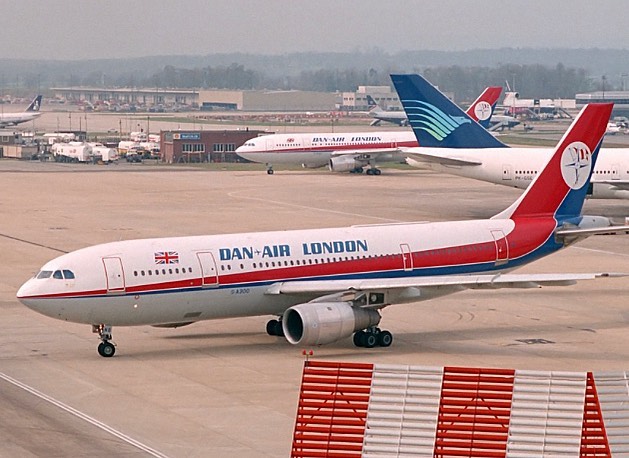
Dan Air Airbus A300
In November 1992 the Dan-Air era officially drew to a close when the airline was absorbed by British Airways for the nominal fee of just £1. British Airways took on the airline’s millions in debt, saved a portion of the workforce, and integrated Dan-Air’s prized Gatwick slots into its own short haul network.
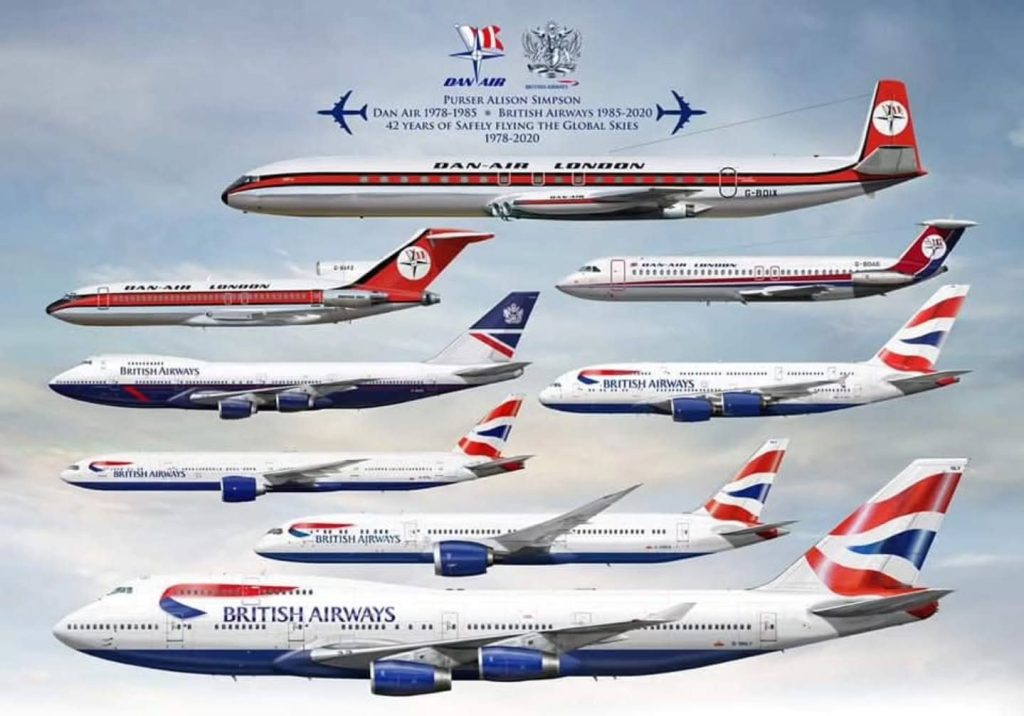
Though the red, white, and blue Dan-Air livery disappeared from airport aprons, the airline’s legacy lives on. It is remembered not just as a business, but as a nostalgic symbol of a time when flying abroad was a grand, noisy, thrilling adventure that finally belonged to everyone.
Research taken from DanAirRemembered.com. Images courtesy of Google.com and Instagram
 theresafrogontheporch.com