
Cardiff
Wales
TRAVEL | UPDATED October 2025
To Non-British citizens it can be a little confusing that Wales has its own capital city. London is always thought of as the capital of The UK, which it is, and of England. However, Wales has its own capital too, just like American States have their own State capitals.
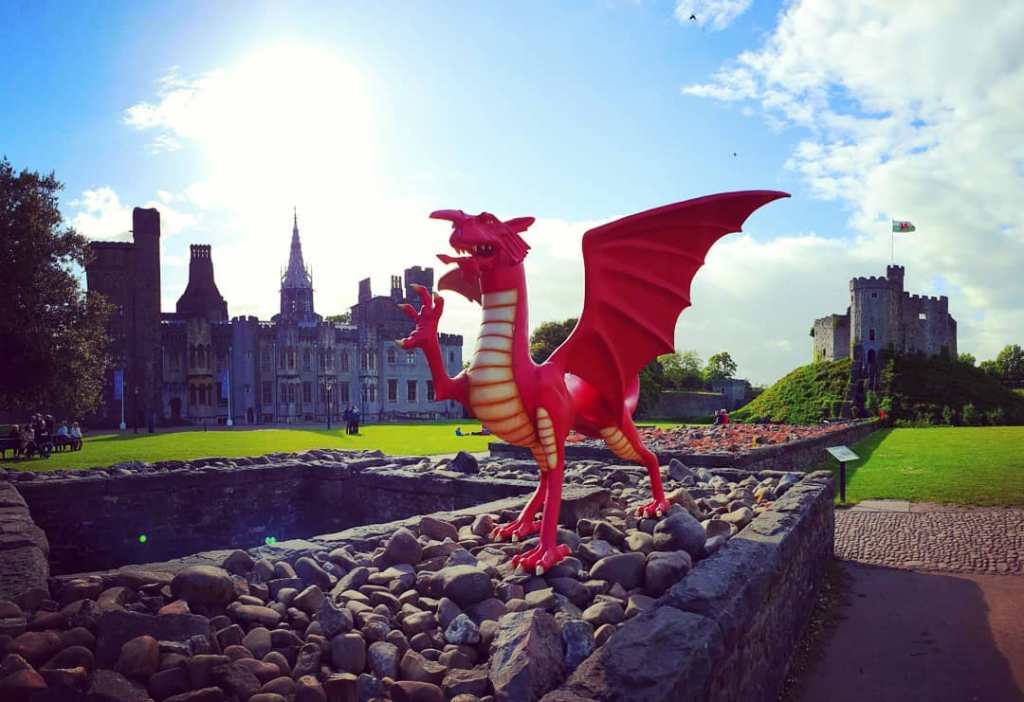
Cardiff is located in the South Wales and has become quite the city. Thanks to investment over the years Cardiff has become a city you need to visit at some point. In addition, the Welsh are sport crazy and Rugby plays a major part of Cardiff’s life. Cardiff’s national emblem is the Welsh dragon and the Welsh use it everywhere from their flag to branding literally everything.
My first visit to the city coincided with the 2015 Rugby World Cup and the streets were a hive of foreign tourists, great bars and market stalls. There was a sense of comradery in the air between world supporters of all rugby teams.
This newfound confidence is infectious and these days it’s not just the rugby that draws crowds into the city. Come the weekend a buzz reverberates through the streets as swarms of shoppers hit the Hayes followed by waves of revellers descending on the capital’s thriving pubs, bars and live-music venues.

Some Useful Information
ℹ️ TRAVEL: Cardiff has no major international airport as such and the two quickest ways to reach the city is via train from anywhere within Great Britain, or drive. I drove the 185 miles (300 kms) that took around 3 hours 40 minutes.
ℹ️ TIME ZONE: Wales follows GMT +0
ℹ️ CURRENCY: The British Pound (£). The UK is NOT be a member of the EU (European Union)
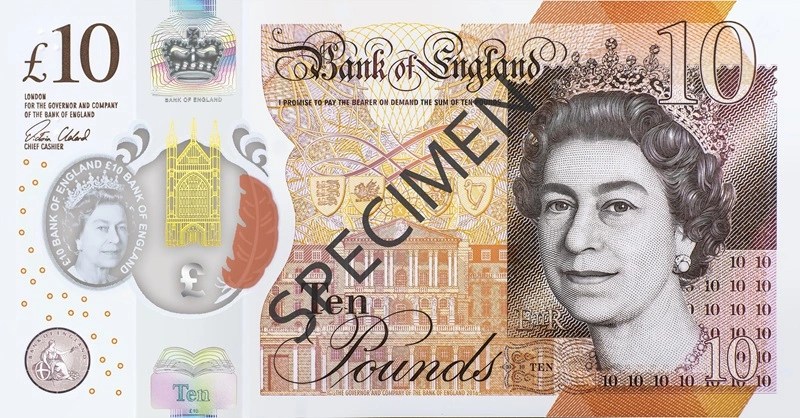
ℹ️ CREDIT CARDS AND BANKS: ATMs are everywhere in The UK. All venues will accept debit/credit cards.
ℹ️ WEATHER: The climate is generally mild, with temperatures rarely climbing uncomfortably high or low, although it is worth carrying an umbrella or raincoat throughout the year.
ℹ️ ACCOMMODATION: There are plenty of hotels, guesthouses and Bed and Breakfast establishments in Cardiff and the surrounding areas. You will have no problems locating somewhere to stay.
I tried something a little different when I stayed in Cardiff. providing you don’t object to a 3mile walk (about 40mins walk) consider the ZIP Hotel. It’s a quirky ‘no-frills’ hotel that has a feeling of Japan meets Scandinavia. The rooms are almost like cruise ship ‘pods’, extremely basic and compact, yet very clean. Where most accommodation was charging over £100 ZIP cost £25 per night.

What Can Cardiff Offer
CARDIFF CASTLE
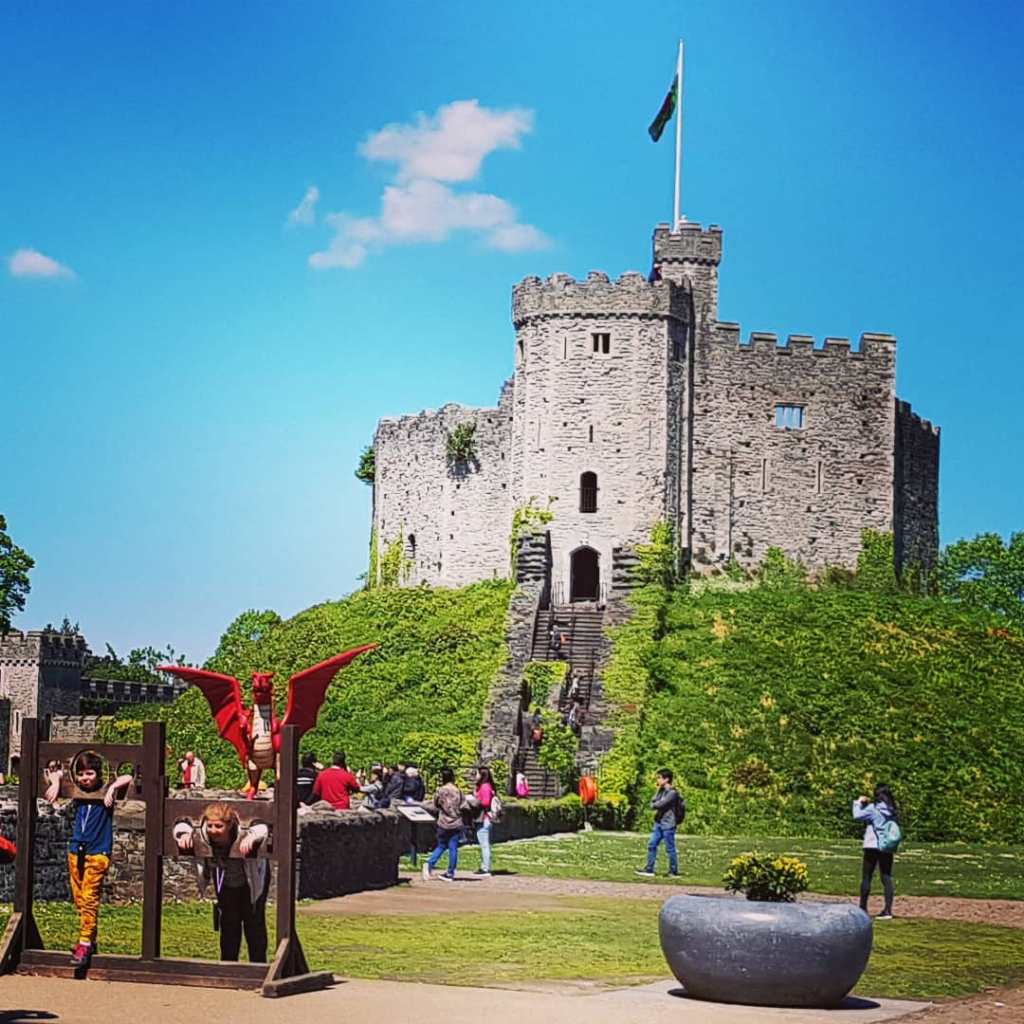
Located in the centre of Cardiff. You will notice a motte-and-bailey Norman shell keep at its centre (built in wood in around 1081 and rebuilt in stone in 1135) and the 13th Century Black Tower that forms the entrance gate. William the Conqueror’s eldest son Robert, Duke of Normandy, was imprisoned in the wooden fort by his brother, England’s King Henry I, until his death at the age of 83.
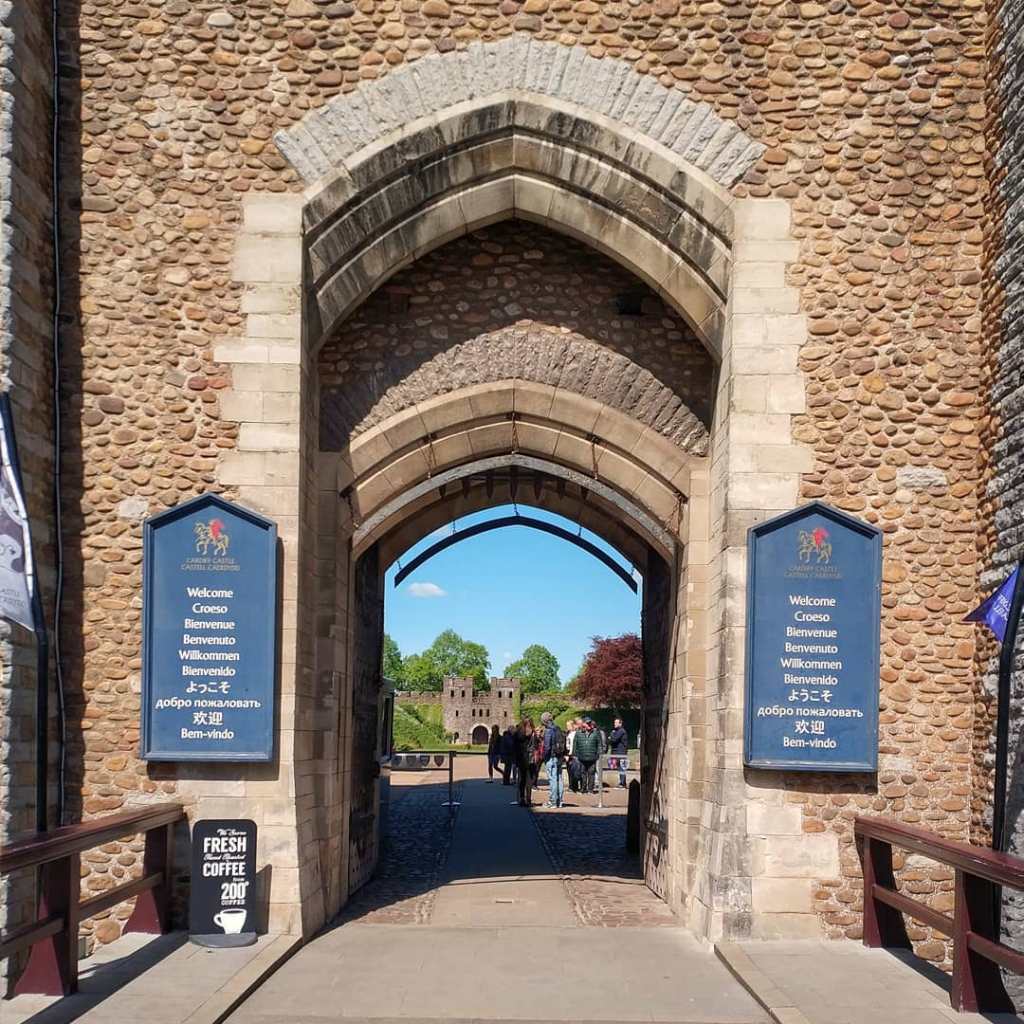
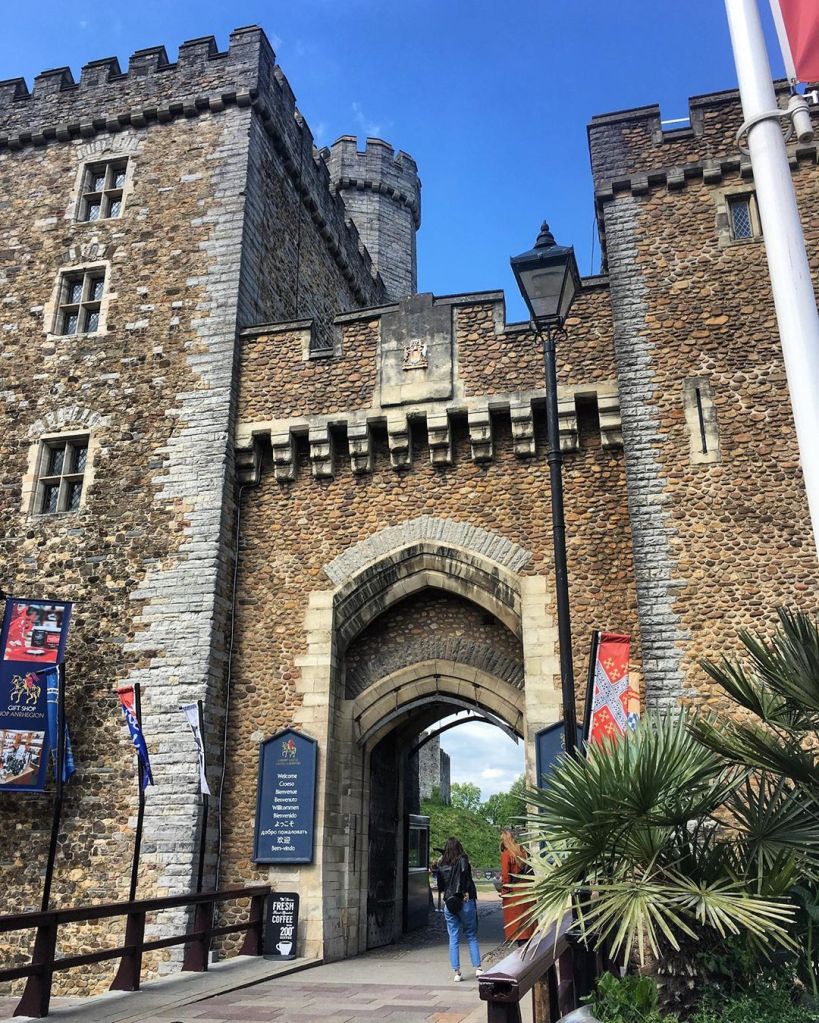
A grand house was built into the western wall in the 1420s by the Earl of Warwick and was extended in the 17th century by the Herbert family (the earls of Pembroke), but by the time the Butes acquired it a century later it had fallen into disrepair. The first marquess of Bute hired architect Henry Holland and Holland’s father-in-law, the famous landscape-architect Lancelot ‘Capability’ Brown, to get the house and grounds into shape.
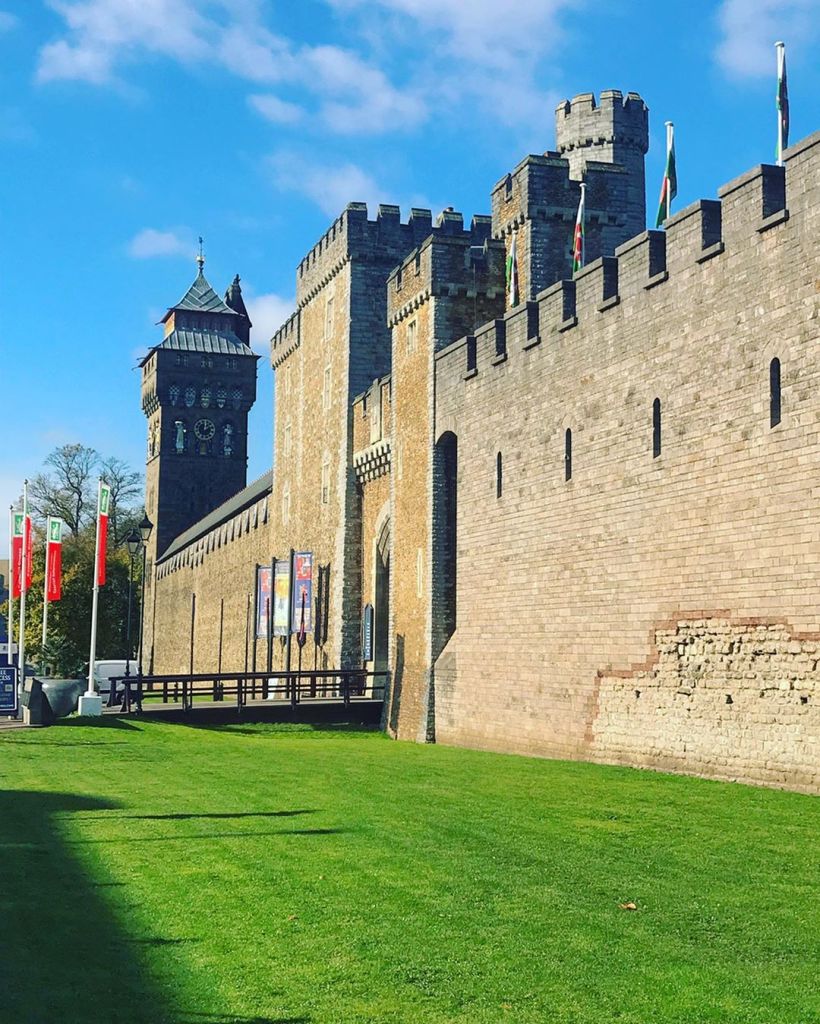
There is a 50 minute guided tour takes you through the interiors of this flamboyant fantasy world, from the winter smoking room in the clock tower with decor expounding on the theme of time (zodiac symbols grouped into seasons, Norse gods representing the days of the week, and a fright for anyone who dares listen at the door – look up as you pass through the doorway)
THE MILLENNIUM STADIUM
This spectacular stadium perches along the River Taff’s east bank. Attendance at matches has increased dramatically since this 74,500 seat, £168 million, three-tiered stadium with sliding roof was completed in time to host the 1999 Rugby World Cup.
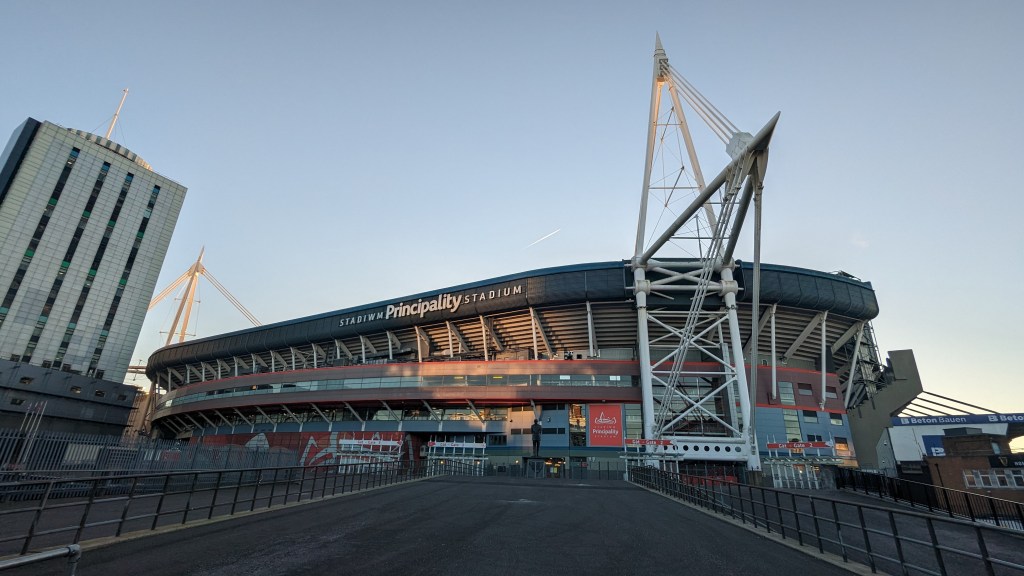
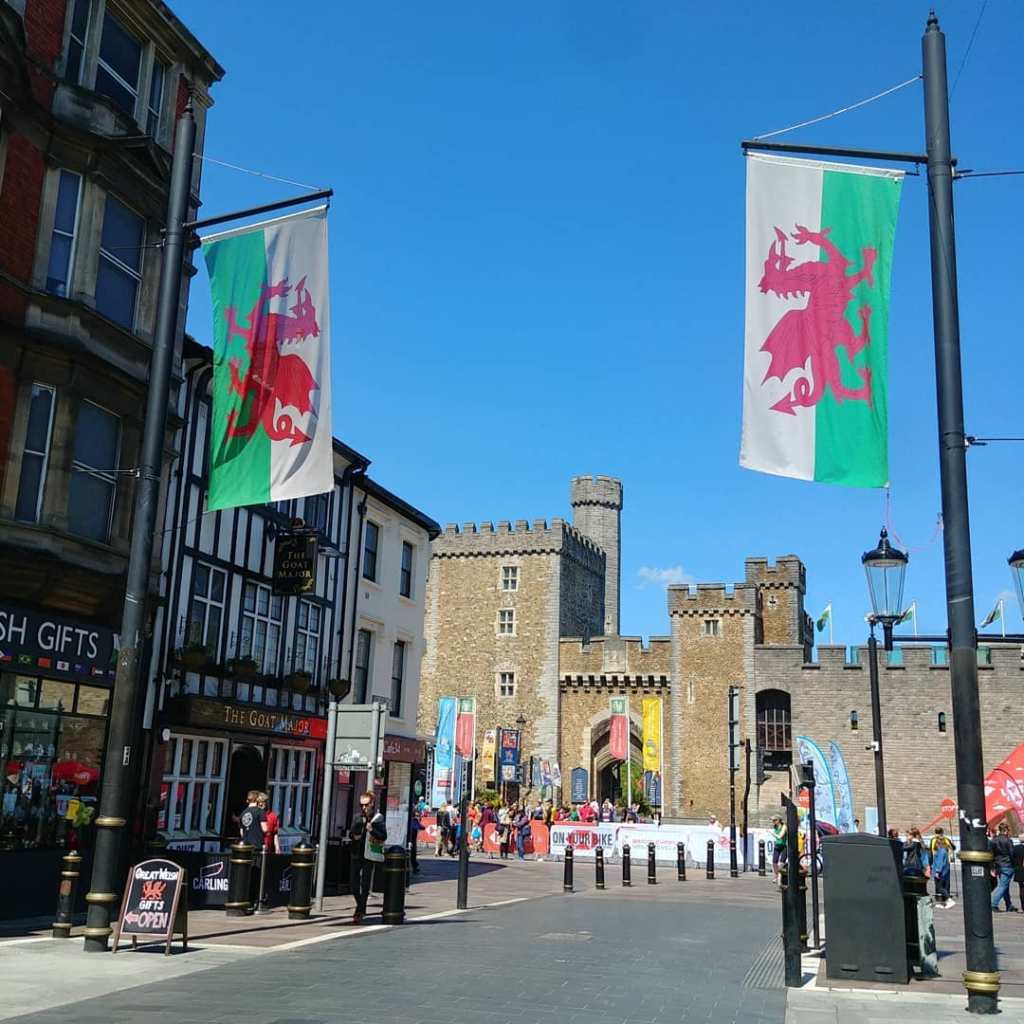
Rugby is Wales’ national game and when the crowd begins to sing at Millennium, the whole of Cardiff resonates. For me this was the centre of my weekend visit to Cardiff. I indeed did spectate the New Zealand V. Georgia game. The castle wall decorated with a Rugby ball breaking out from its sides and the main shopping street adorned with market stalls and food stands, the lamp posts draped with large flags from all participating members of the World cup.
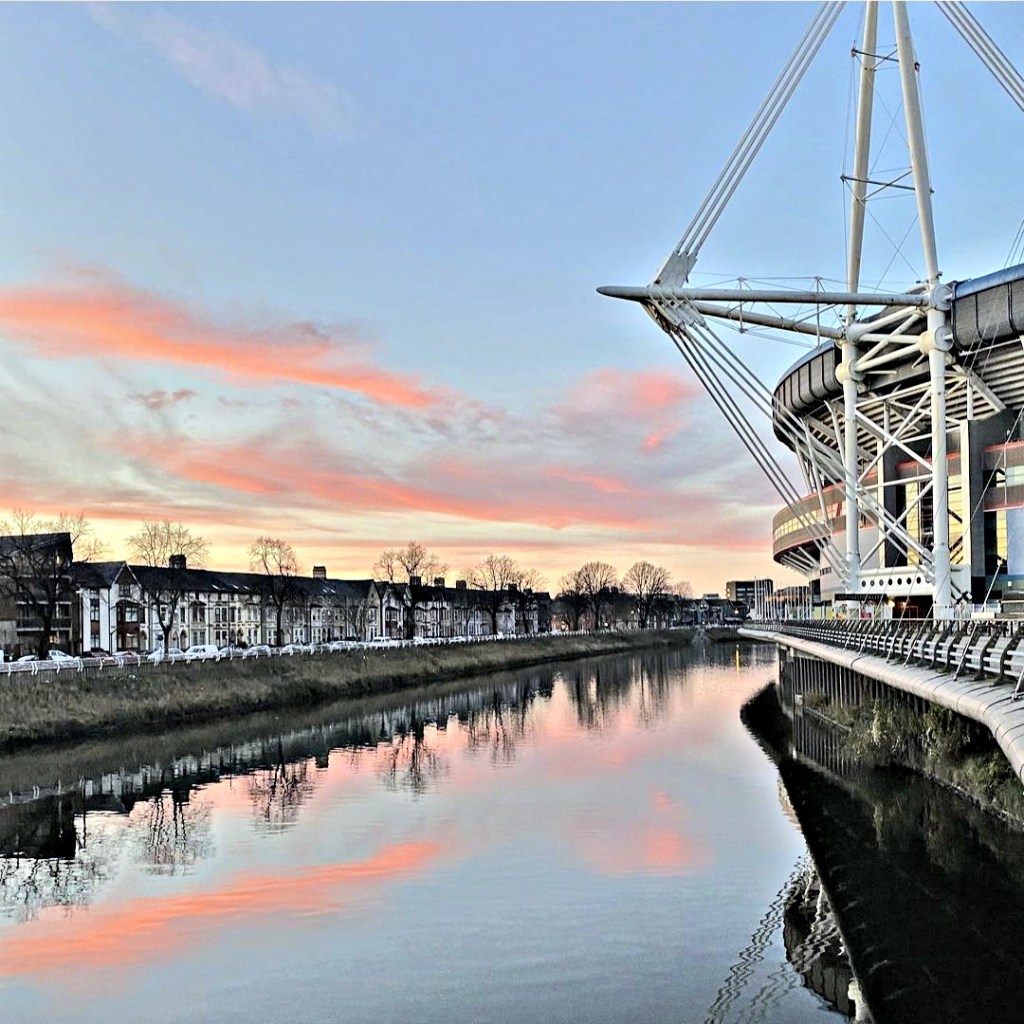
The millennium Stadium in between rugby games doubles up as an open air music venue playing such like of Madonna, The Foo Fighters, Take That etc.
CARDIFF MARKET
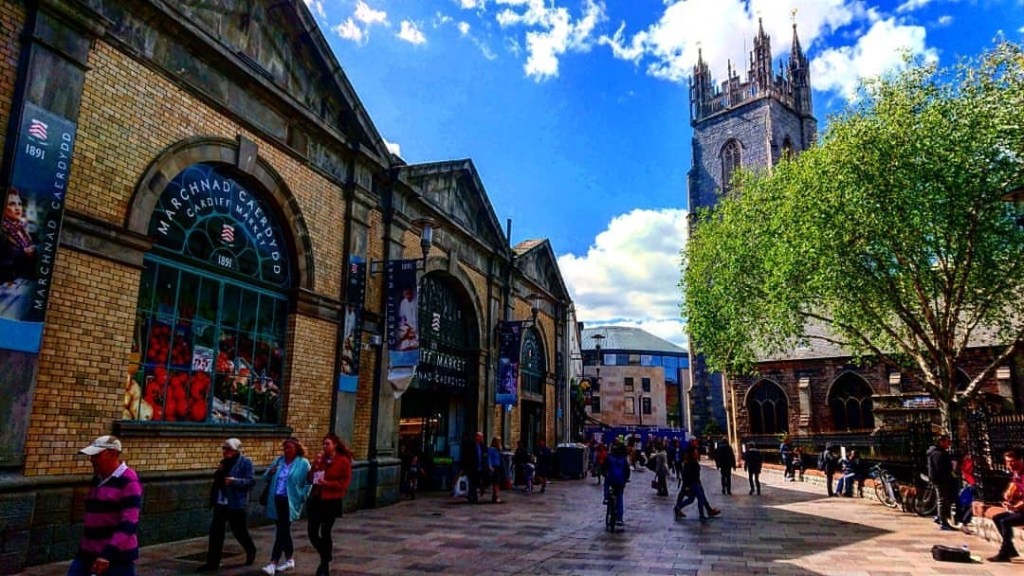
For an age-old shopping experience, head to this Victorian covered market, that is packed with stalls selling everything from fresh fish to mobile phones. Stock up here for a picnic in Bute Park with goodies such as fresh bread, cheese, cold meats, barbecued chicken, cakes and pastries.
ST DAVIDS SHOPPING CENTRE
This shopping mall is huge. The redeveloped and greatly extended St David’s was completed in 2009 at a cost of £675 million. All of the high-street chains you could name have a home here, along with a smorgasbord of eateries, a cinema multiplex and a large branch of the John Lewis department store, which dominates its south end.
THE MILLENNIUM CENTRE
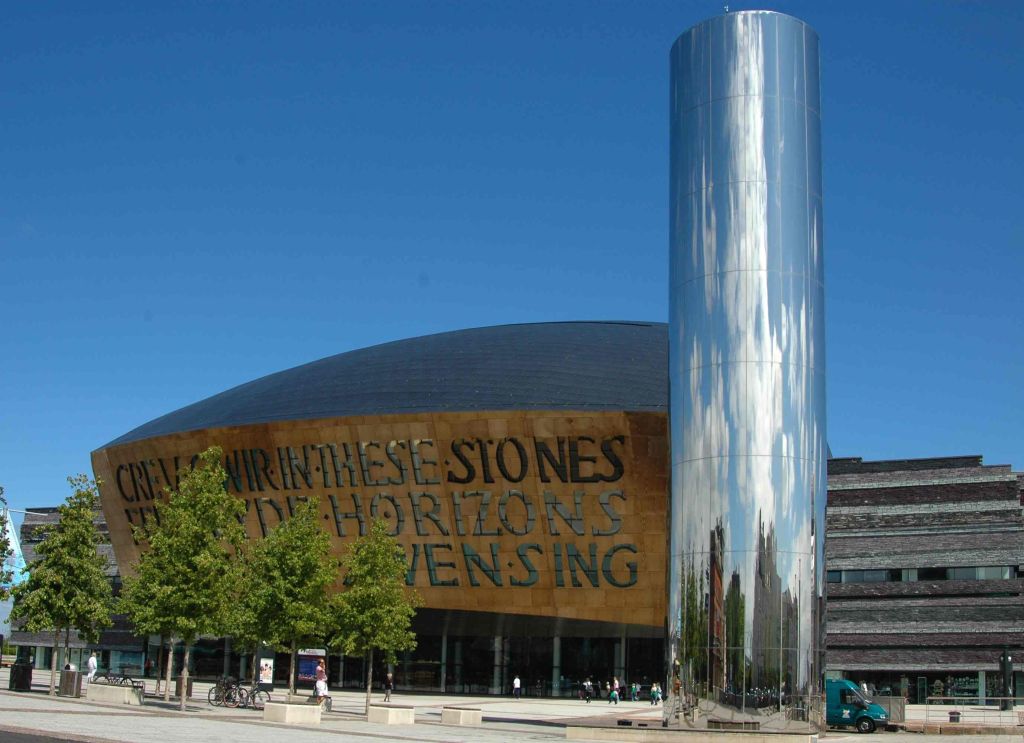
The Millennium Centre is possibly one of the newest landmarks in the city to see! Best yet, there’s so much to do inside, especially if you want to explore the creative side of the city.
CASTELL COCH
Castell Coch, also know as Fairy Tale Castle, is most definitely one of the prettiest castles around Cardiff. Now, as castles go, this one is only a few hundred years old but don’t let that put you off! Built in the Victorian Era but it’s got a Middle-Age castle feel that looks like it has fallen out of a fairy tale.


CAERPHILLY CASTLE
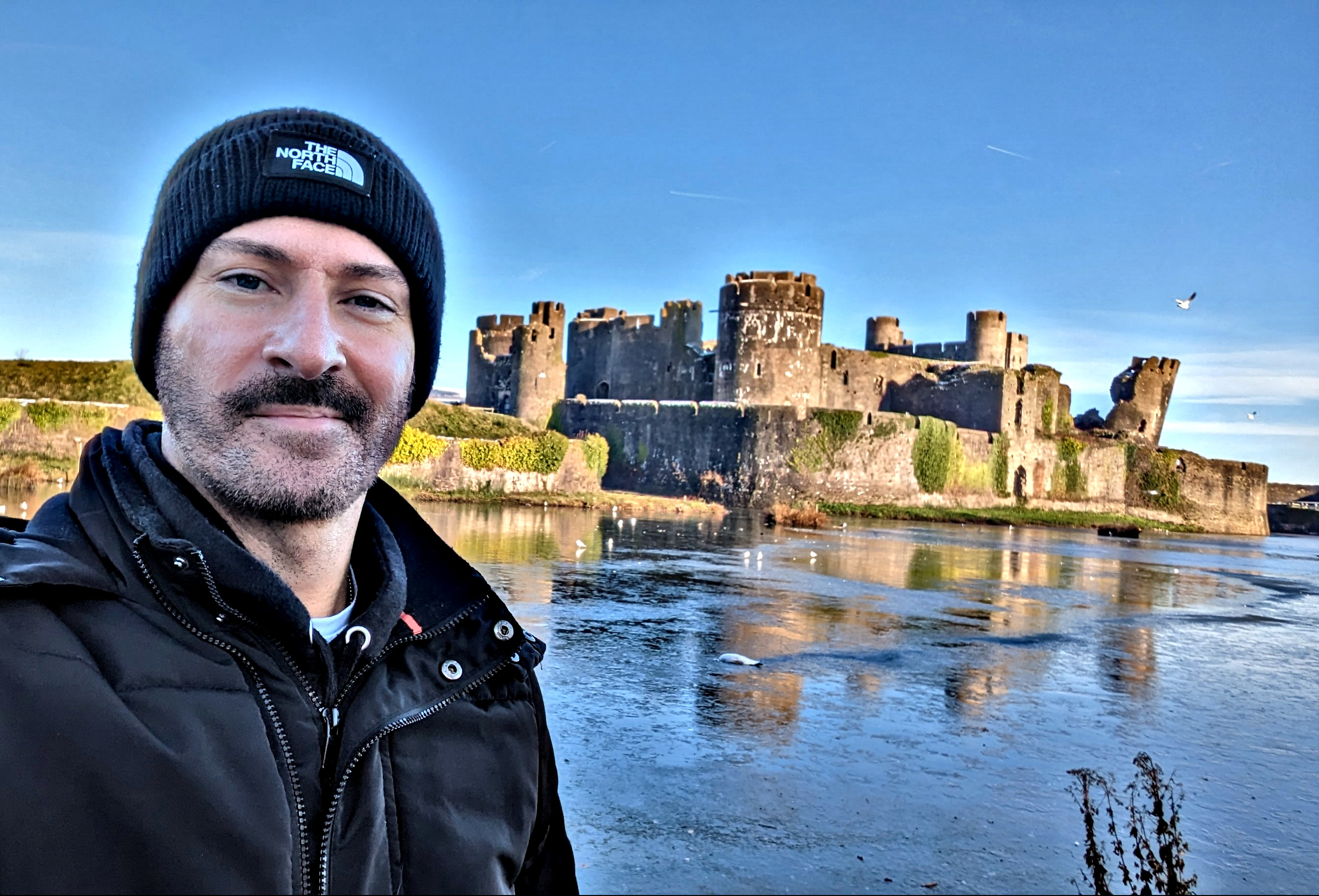
If you find that you have some time within your visit to Cardiff it maybe worth taking a 20 minutes drive north to the town of Caerphilly and its best attraction Caerphilly Castle.

Caerphilly Castle is one of the great medieval castles of Western Europe. Its immense size making it the largest in Britain after Windsor, its large scale use of water for defence and the fact that it is the first truly concentric castle in Britain. Of the time of its building in the late 13th century, it was a revolutionary masterpiece of military planning
One of Henry III’s most powerful and ambitious barons, Gilbert de Clare, lord of Glamorgan, built this castle. His purpose was to secure the area and prevent lowland south Wales from falling into the hands of the Welsh leader Llywelyn the Last, who controlled most of mid and north Wales. De Clare built other castles on the northern fringes of his territory for the same purpose, such as Castell Coch. He had seized the upland district of Senghenydd, in which Caerphilly lies, from the Welsh in 1266 to act as a buffer against Llywelyn’s southward ambitions.

Llywelyn realised the threat and tried but failed to prevent the castle from being built; it was begun on 11 April 1268, was attacked by Llywelyn in 1270, and was begun again in 1271. This time it was completed without hindrance. Its message was not lost on Llywelyn, who retreated northwards. Apart from the remodelling of the great hall and other domestic works in 1322-6 for Hugh le Despenser, no more alterations were carried out, making it a very pure example of late 13th-century military architecture.
Other Links: Europe Homepage |Destinations Homepage | Main Homepage
 theresafrogontheporch.com